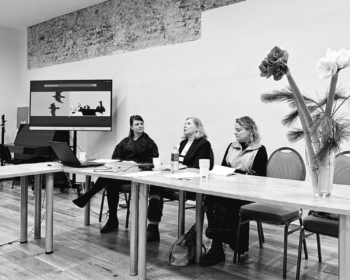
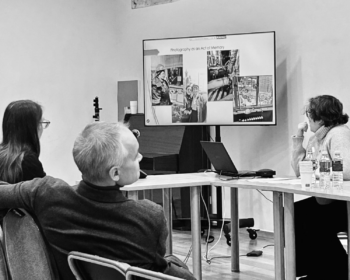
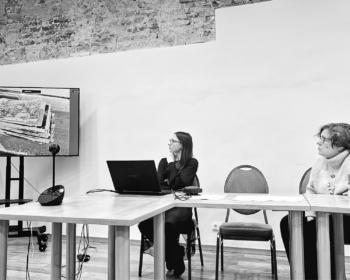
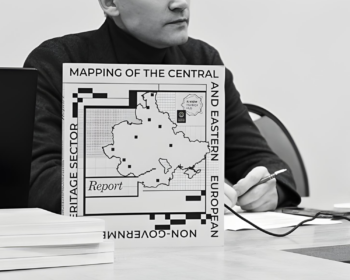
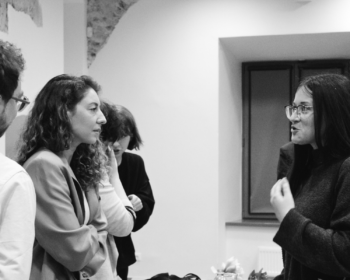
The conference focused on forms of heritage work that emerge beyond traditional institutional frameworks, including family and community archives, oral history, digital heritage projects, and civic initiatives responding to loss, displacement, and limited access to cultural infrastructure. Particular attention was paid to Central and Eastern Europe, where responsibility for safeguarding cultural memory increasingly lies with local communities, NGOs, diasporas, and individual actors.
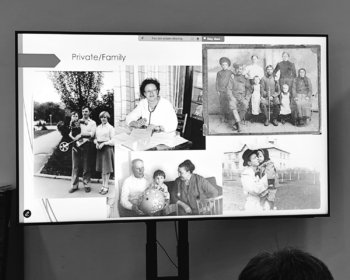
Discussions addressed a wide range of themes, such as the role of non-governmental organizations in the heritage sector, the dynamics of family memory and transgenerational transmission, heritage practices in times of war and crisis, and the use of digital tools to reconnect fragmented historical narratives. Several sessions explored how grassroots initiatives document everyday life, preserve endangered memories, and challenge dominant national or institutional narratives.
The program also highlighted the environmental dimension of heritage, examining how traditional knowledge and intangible cultural practices can contribute to ecological awareness, biodiversity protection, and climate adaptation. Experts from heritage and environmental fields discussed opportunities for cross-sector collaboration and community-based approaches to sustainability.
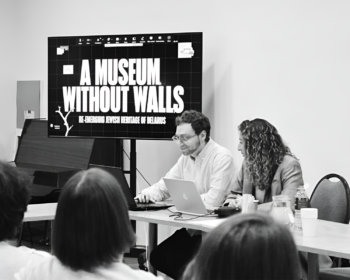
A significant part of the conference was dedicated to experimental and practice-oriented formats, including workshops, film screenings, and immersive digital experiences. Special attention was given to innovative digital heritage initiatives, including the development of a Virtual Belarusian Jewish Museum, conceived as a “museum without walls” that mobilizes civil society actors to reconnect dispersed archival materials, family histories, and local memories across borders.
Reflecting on the event, Stepan Stureika, Head of the Heritage Programs at the European Humanities University, noted:
“For two days, our university truly became a space for thinking through the many dimensions of civic engagement with cultural heritage. We discussed the challenges faced by civil society organizations, learned from grassroots initiatives, and engaged in deep conversations with international experts. Digital heritage projects, family history archiving in conditions of crisis and war, and the environmental potential of intangible heritage were all part of these discussions. I was genuinely impressed by how rich and meaningful our exchanges turned out to be. The participation of Ukrainian colleagues and the presentation of the Virtual Belarusian Jewish Museum – developed by our partners – were especially encouraging. Moments like this remind us why our work truly matters.”
The conference reaffirmed the importance of civil society as a key actor in contemporary heritage practice and emphasized the need for flexible, inclusive, and innovative approaches to safeguarding memory in contexts marked by vulnerability and change.